Automotive Wire Harness Manufacturer | Custom Loom
Custom automotive wiring harnesses and looms built to OEM drawing: sealed connectors, tinned copper, vibration-rated crimps and colour-coded circuits.
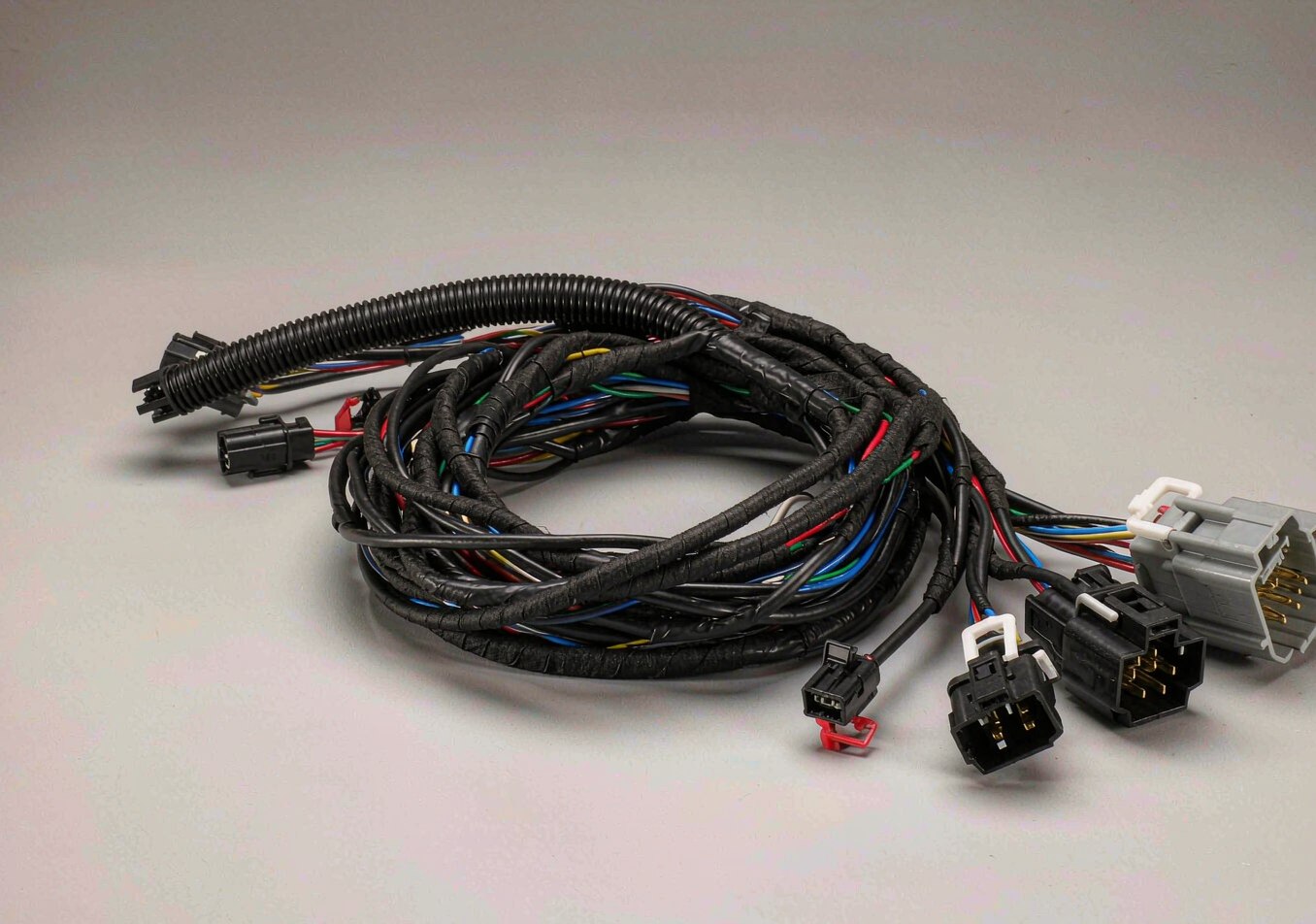
Automotive Wire Harness: what we build
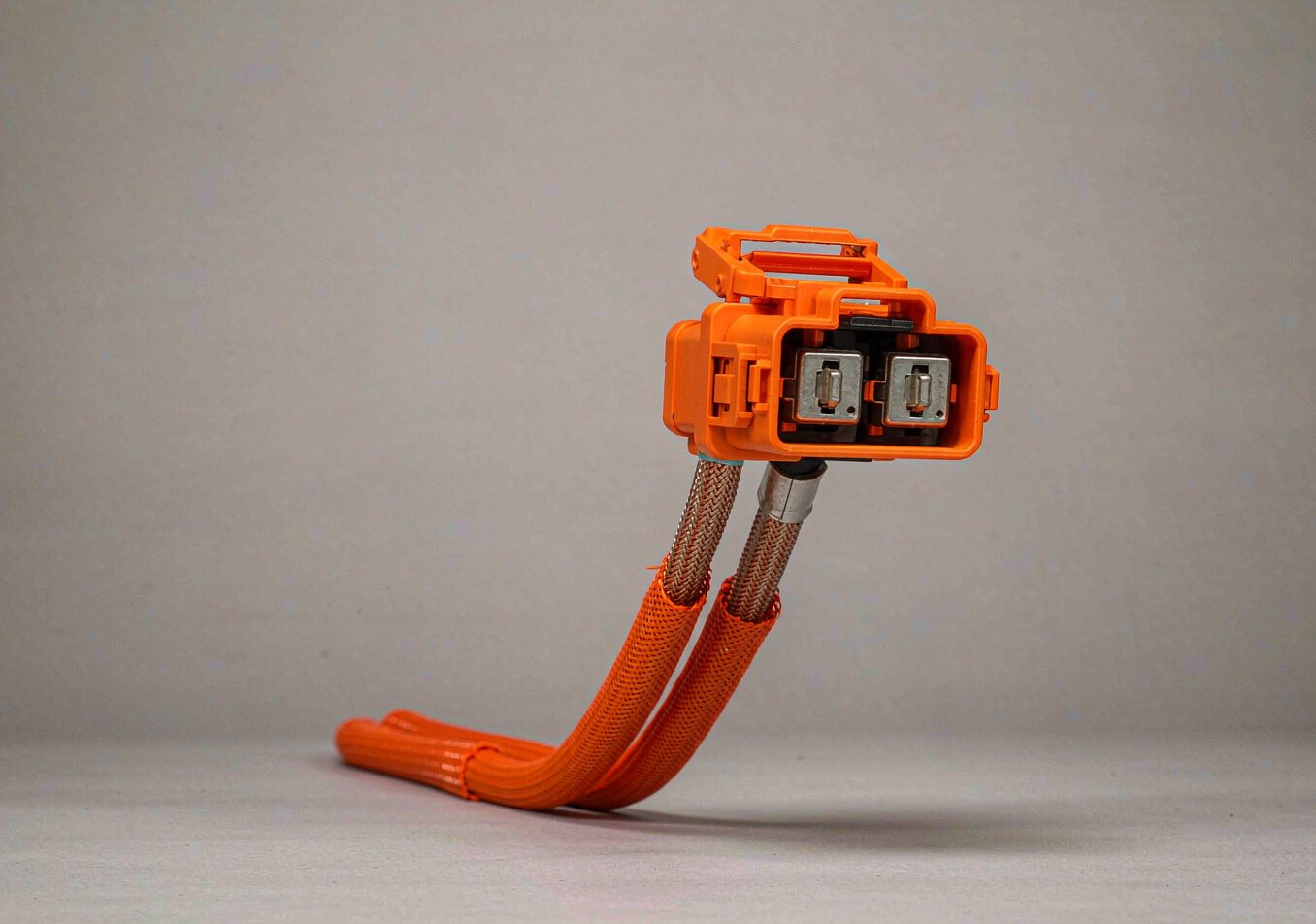
Vehicle looms fail at the termination long before they fail in the conductor, which is why so much of the work here happens at the crimp. Terminals are matched to the connector series they belong to, crimped with the applicator that series was designed for, and pull-tested before the loom is closed.
The under-bonnet and cabin routes inside one vehicle want different wire. Engine-bay branches run hot and see oil, so they take XLPE or a 105 °C PVC style; cabin and boot runs sit in a cooler, drier environment where a 300 V PVC hook-up wire is the economical answer. We split the bill of materials by route rather than defaulting the whole loom to one style.
Branches, splices and grounds are built to your drawing, with the loom dimensions called out to the fixing points so it lands in the shell without being pulled into place.
How we build it
- Sealed and unsealed connector systems crimped with series-matched tooling
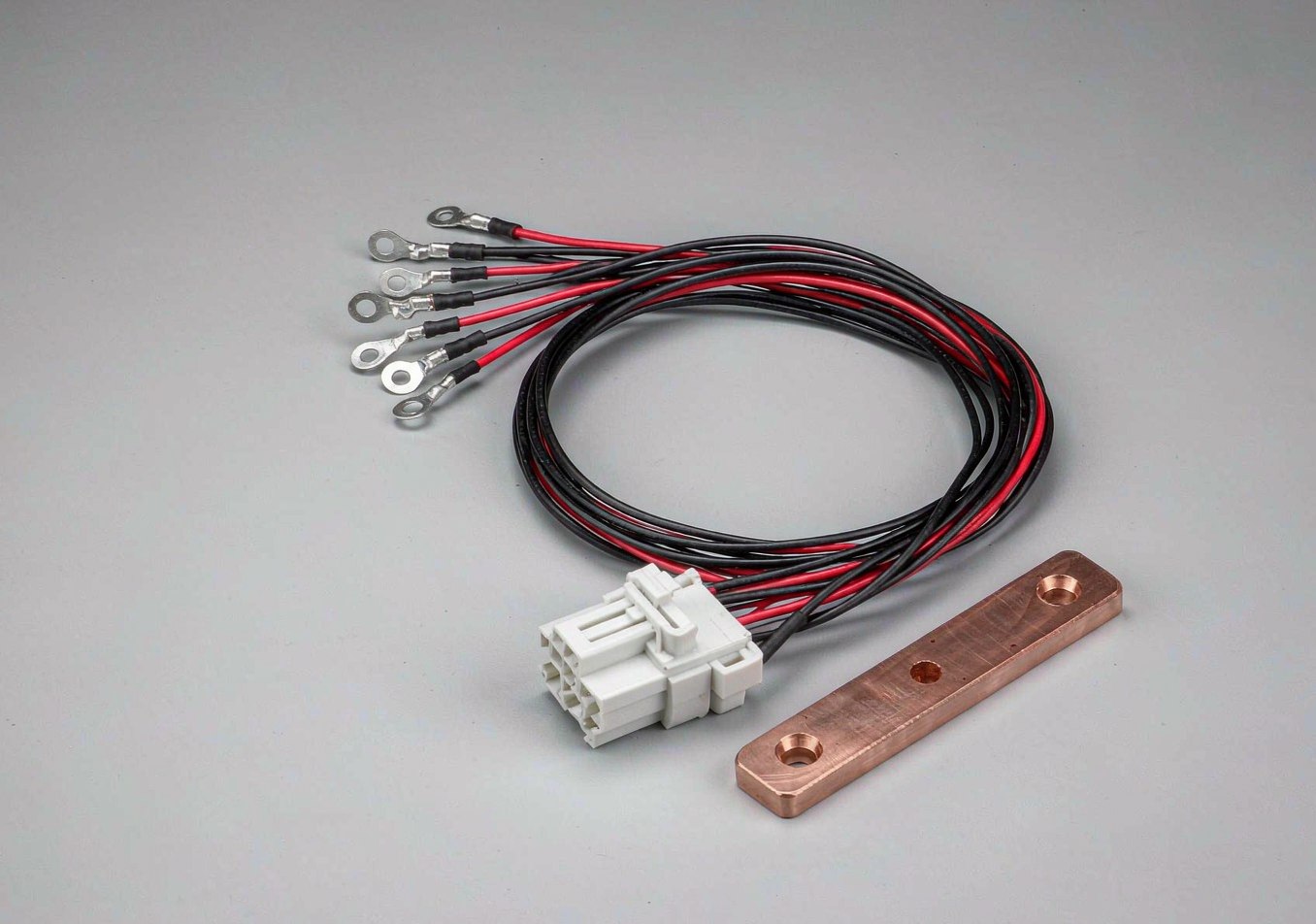
- Branch points, mid-loom splices and ground studs built into the assembly
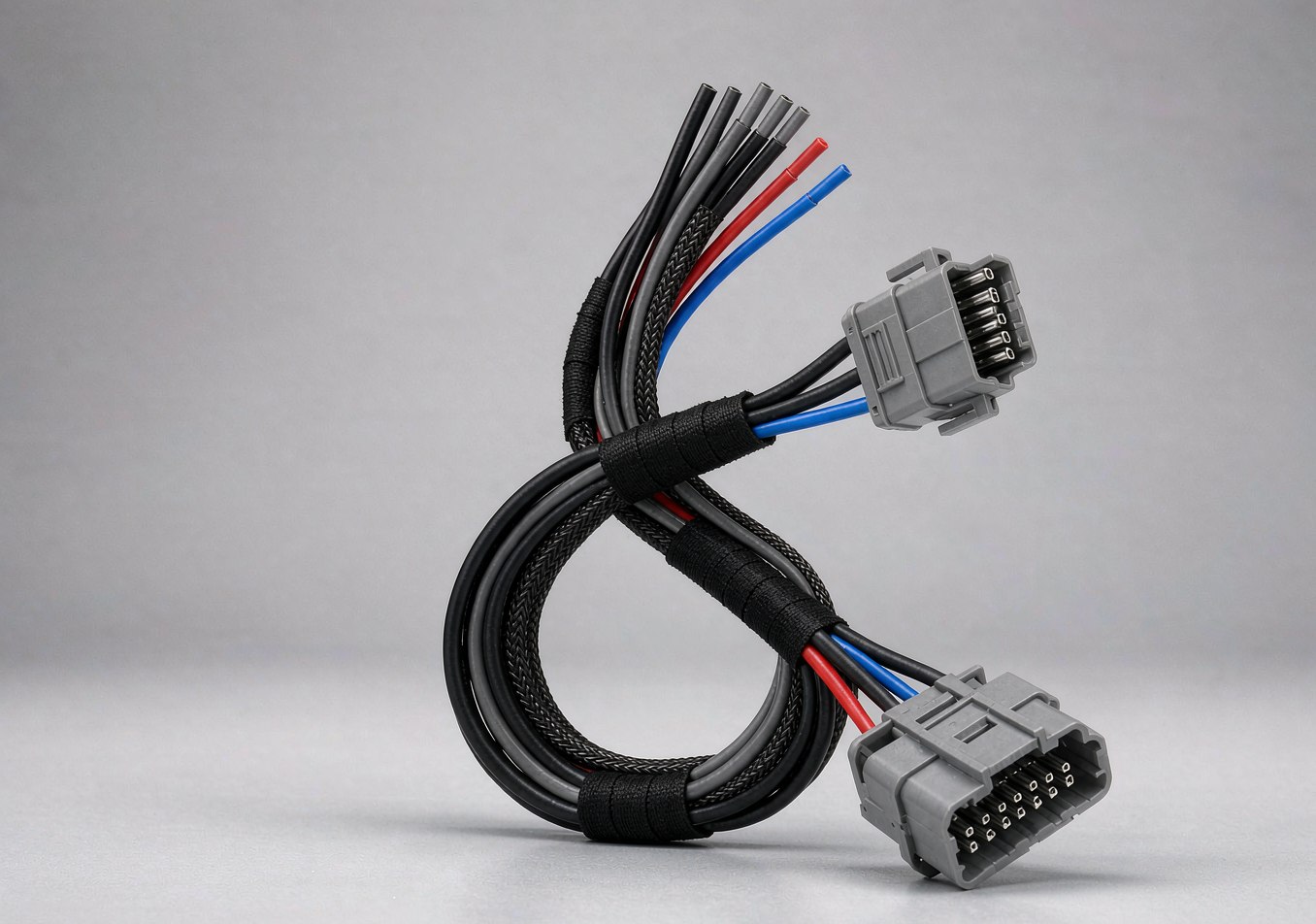
- Colour coding and printed circuit numbers to your chart
- Sleeving, conduit and tape wrap specified per route: engine bay, cabin, chassis
- Continuity, short-to-ground and pull-test inspection on every assembly
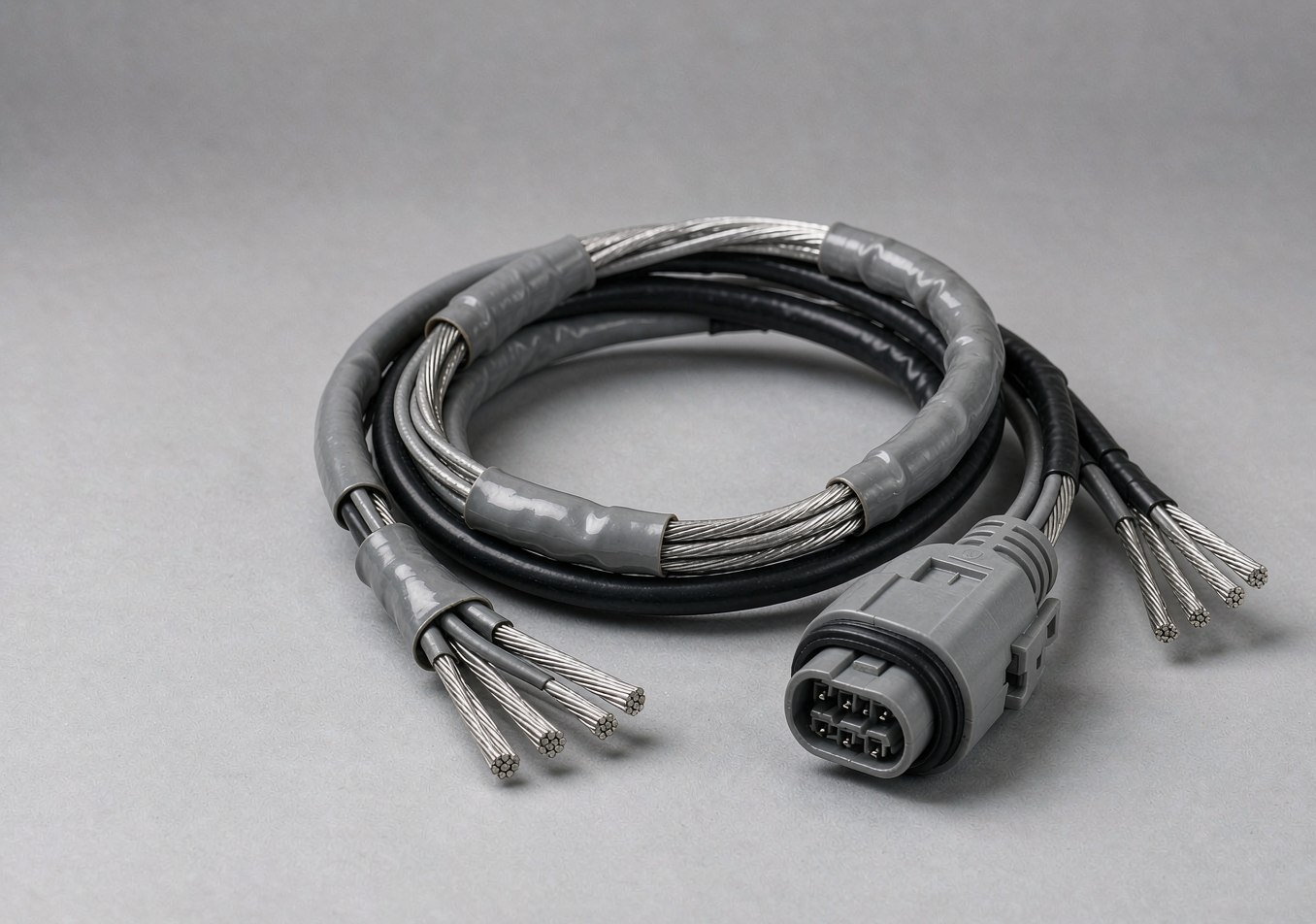
- Conductive paths and shield drain terminations handled where the loom needs them
Wire we build this harness on
Every conductor is Xinya wire from this site's own catalogue, so the style inside the harness can be traced to a published data sheet. These are the lines most often specified for this application:
- UL1007 300 V 80 °C PVC hook-up wire
- UL1015 600 V 105 °C PVC hook-up wire
- UL10002 SR-PVC 105 °C hook-up wire
- UL1095 300 V PVC hook-up wire
- UL3266 XLPE 125 °C wire for hot zones
- UL2517 flexible shielded multi-conductor cable
If your drawing names a style that is not listed here, ask — the catalogue published on this site is a subset of what the factory runs, and we can quote against a style number as easily as against a description.
How to get a quotation
Send the drawing, the sample, a photograph with a scale in shot, or a table of from-to points. Our reply names the wire style, the connector series, the crimp specification, the sleeving and the test method, so your engineers can approve the part rather than interpret a description. Nothing on this site carries a price: every harness is quoted against the specification you provide.
Request a harness quotation Not sure which wire? Use the wire selector