BMS Wiring Harness | Energy Storage Battery Harness
BMS and energy-storage harnesses: voltage-sense leads, balance and temperature circuits, fused taps and pack-to-inverter power runs built to your schematic.
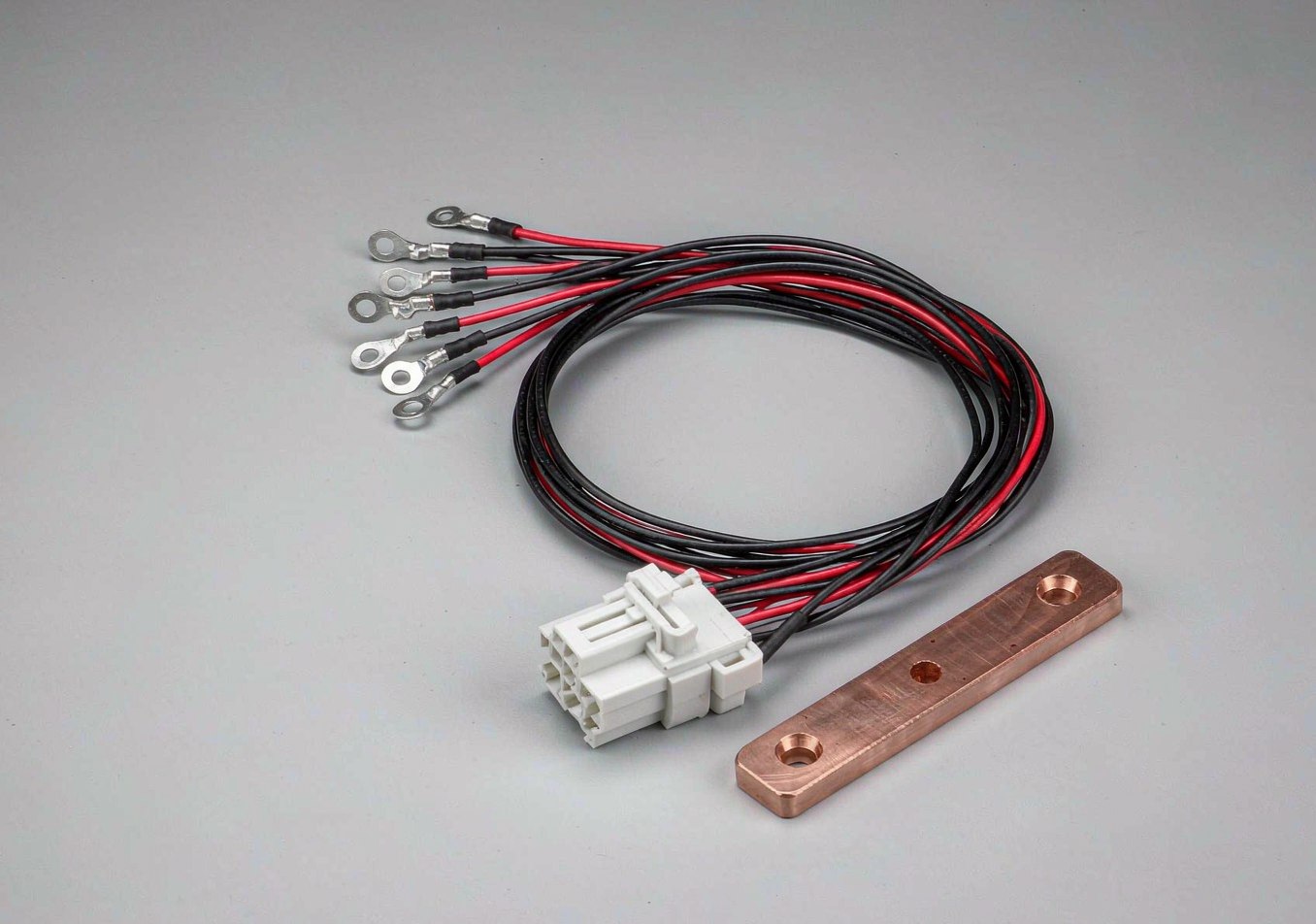
Energy Storage & BMS Harness: what we build
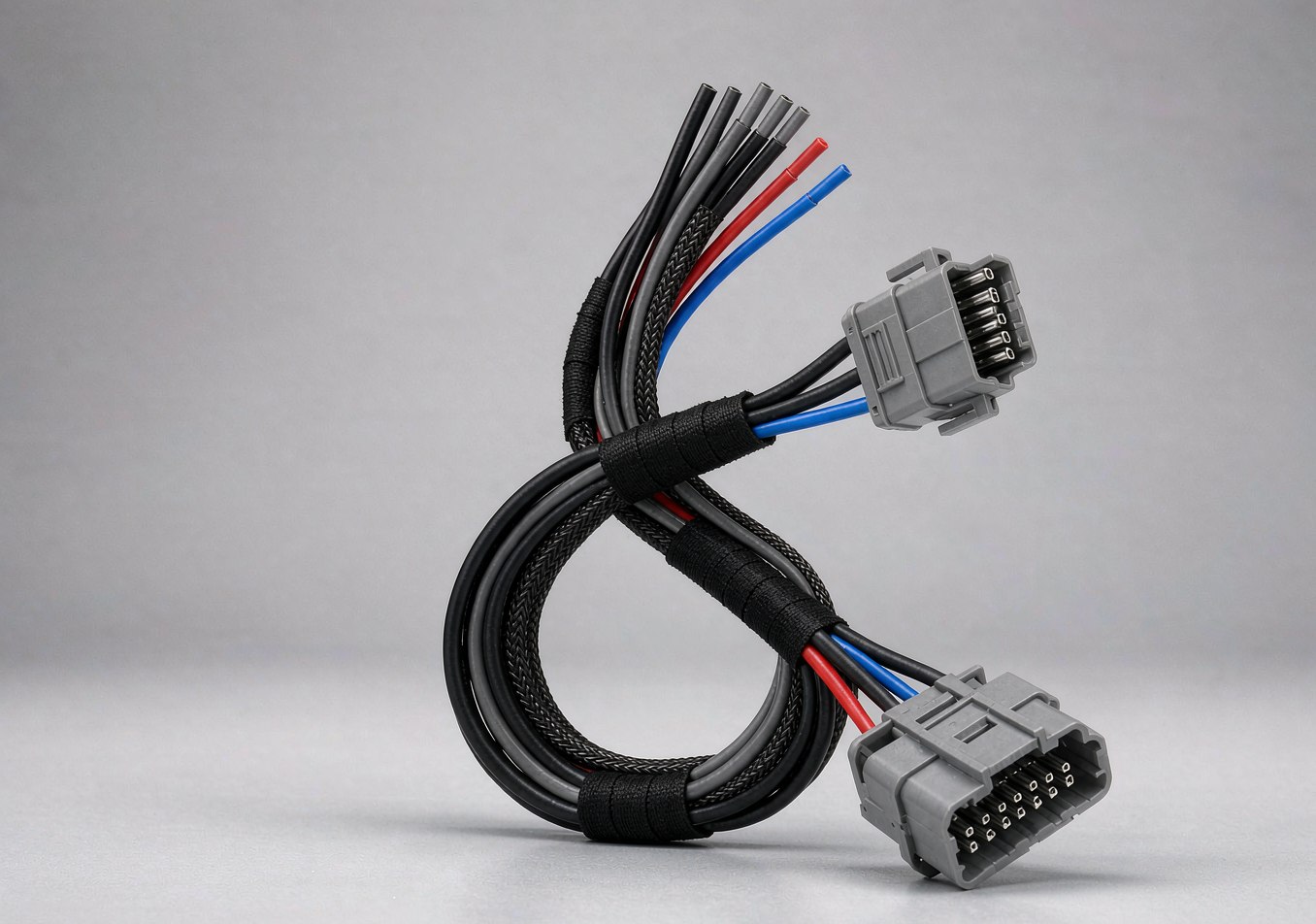
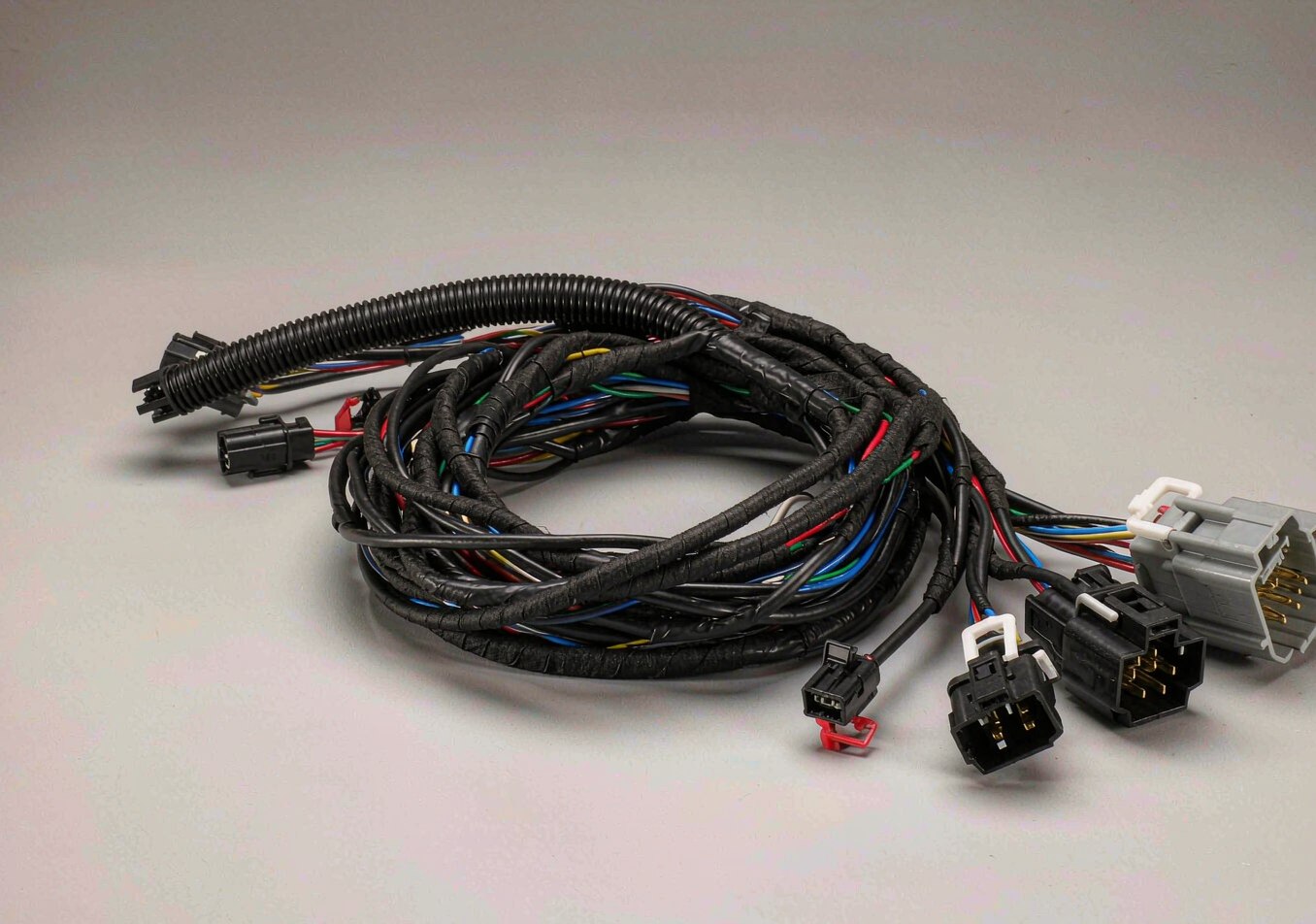
A BMS harness is a wiring diagram made physical, and the risk is a lead landing one cell out. Every sense lead in the assemblies we build is cut to a length calculated from your cell map, marked with its position, and keyed at the plug so the wrong module cannot physically accept it.
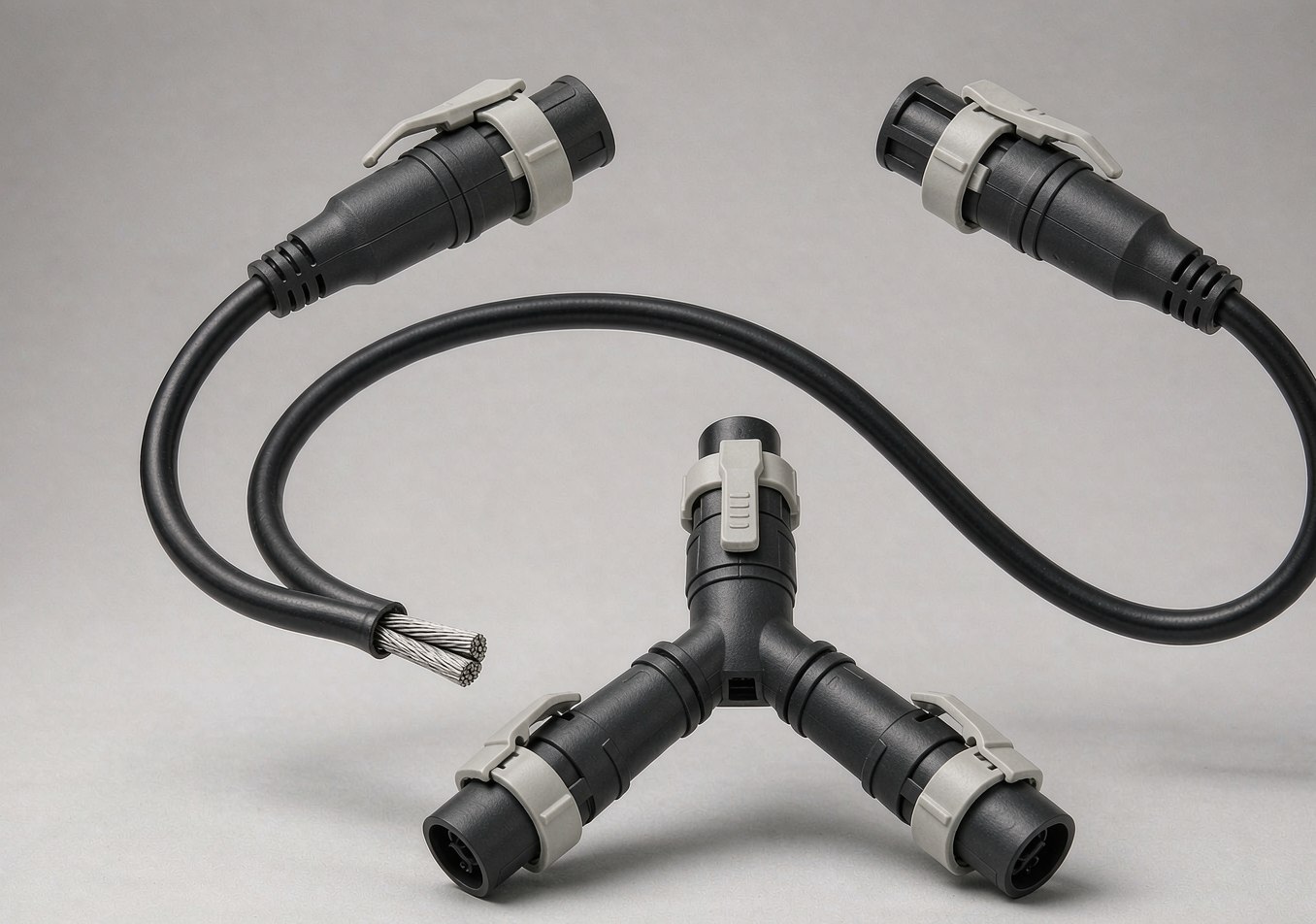
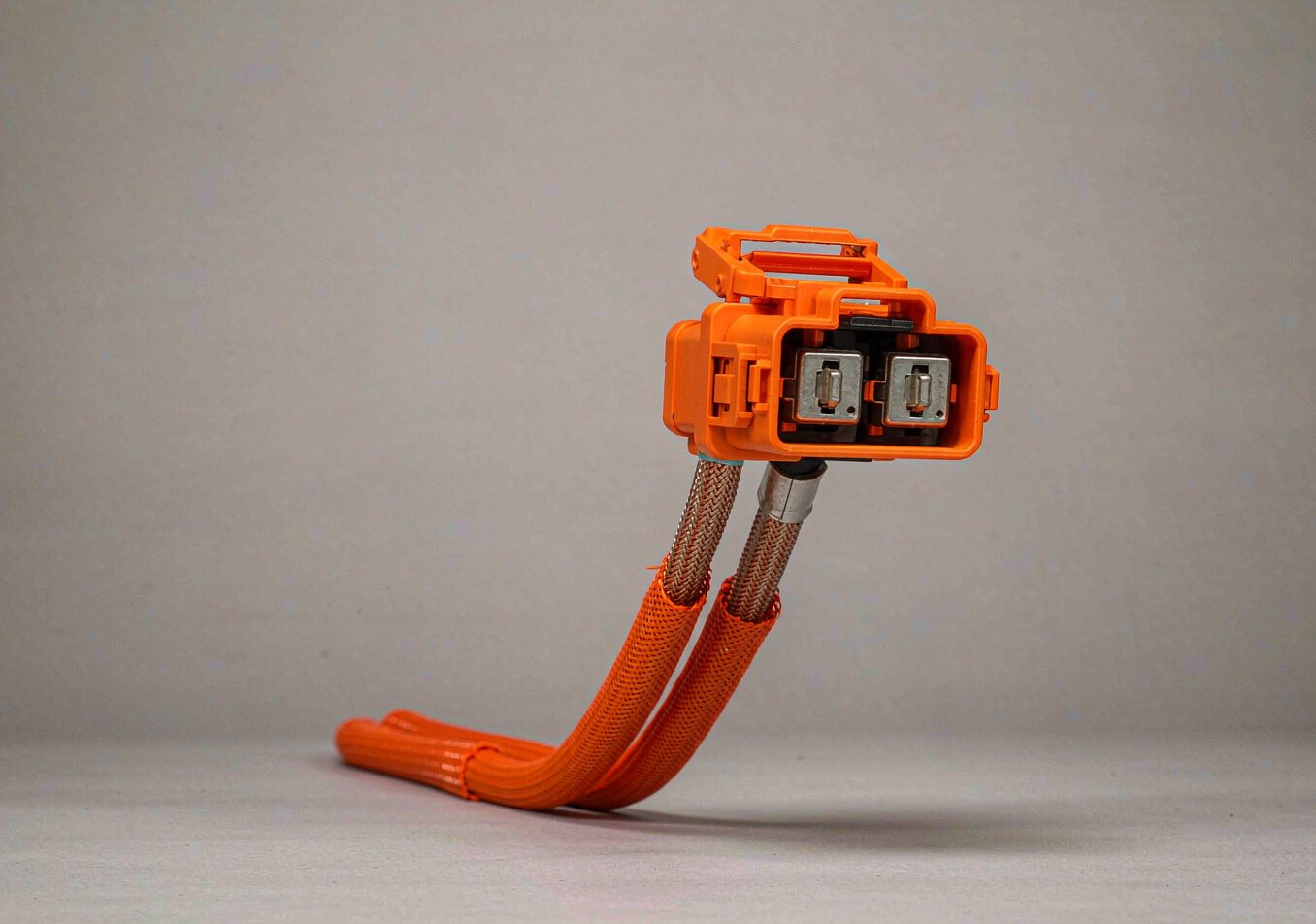
The sense side and the power side are quoted separately because they are different problems. Sense leads are 22 to 26 AWG, dense, and want tidy routing and strain relief; the pack power run is a 1000 V DC cable that wants the right stranding, the right jacket and a properly terminated shield. Both sit in this catalogue as wire lines you can reference independently.
Fusing at the tap, fusible links and inline protection are built in where the schematic calls for them, so protection lives in the harness rather than relying on the module electronics alone.
How we build it
- Length-matched sense leads cut to your cell map, not to a nominal figure
- Position keying and printed numbering at every tap to prevent mis-plugin
- Fused taps, fusible links and inline protection integrated into the harness
- Temperature-sensor circuits and communication buses on the same assembly
- Point-to-point continuity recorded position by position against the schematic
- Flame-retardant sleeving and defined bend radii for cabinet and rack routing
Wire we build this harness on
Every conductor is Xinya wire from this site's own catalogue, so the style inside the harness can be traced to a published data sheet. These are the lines most often specified for this application:
- UL1007 300 V PVC wire for sense leads
- UL10002 SR-PVC 105 °C wire
- UL 4703 photovoltaic DC wire for power runs
- H1Z2Z2-K to EN 50618 for 1.5 kV DC runs
- UL3398 halogen-free 150 °C wire for hot cabinets
- UL2464 shielded cable for CAN and communication buses
If your drawing names a style that is not listed here, ask — the catalogue published on this site is a subset of what the factory runs, and we can quote against a style number as easily as against a description.
How to get a quotation
Send the drawing, the sample, a photograph with a scale in shot, or a table of from-to points. Our reply names the wire style, the connector series, the crimp specification, the sleeving and the test method, so your engineers can approve the part rather than interpret a description. Nothing on this site carries a price: every harness is quoted against the specification you provide.
Request a harness quotation Not sure which wire? Use the wire selector