Medical Cable Assembly | Device Wiring Harness
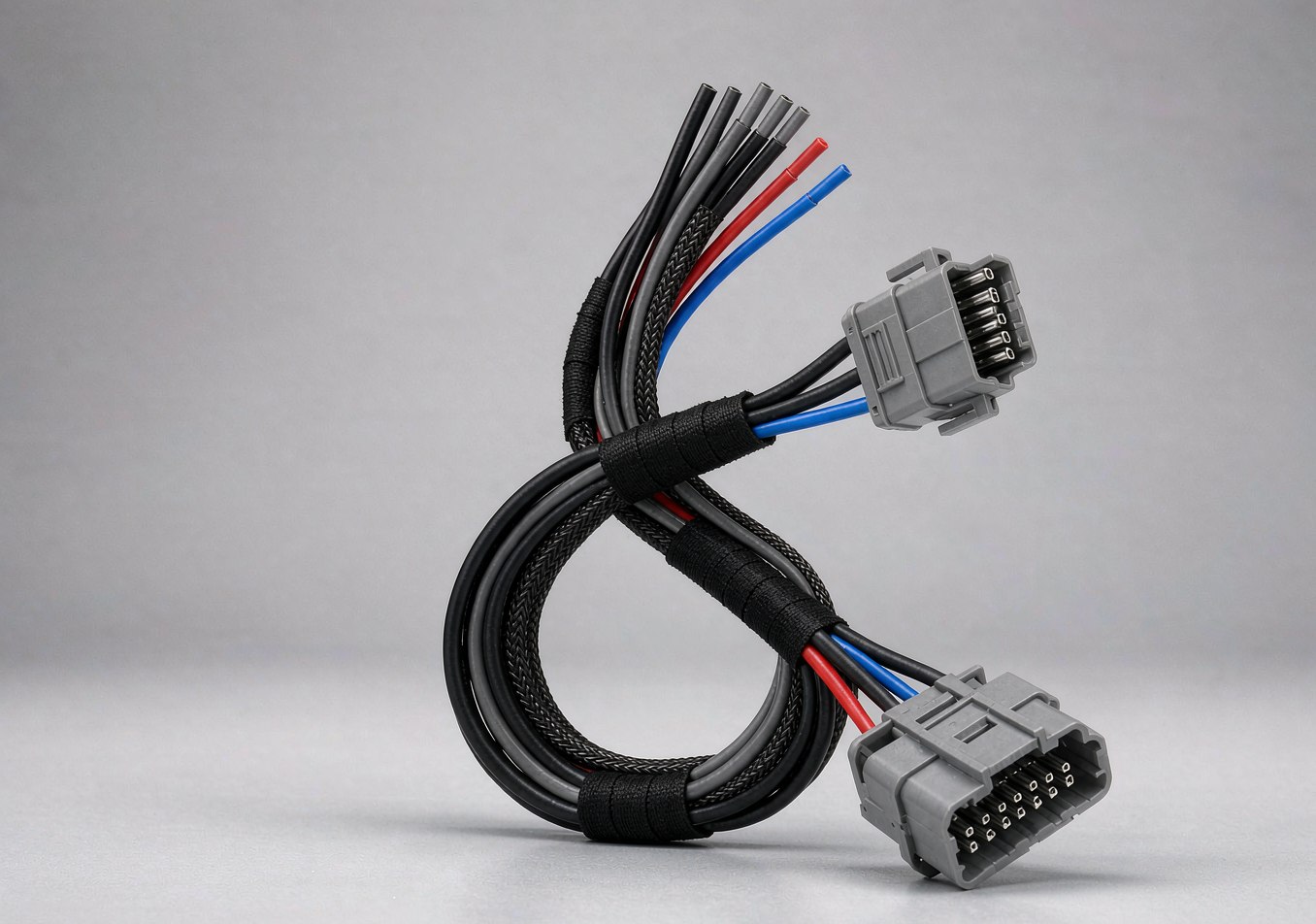
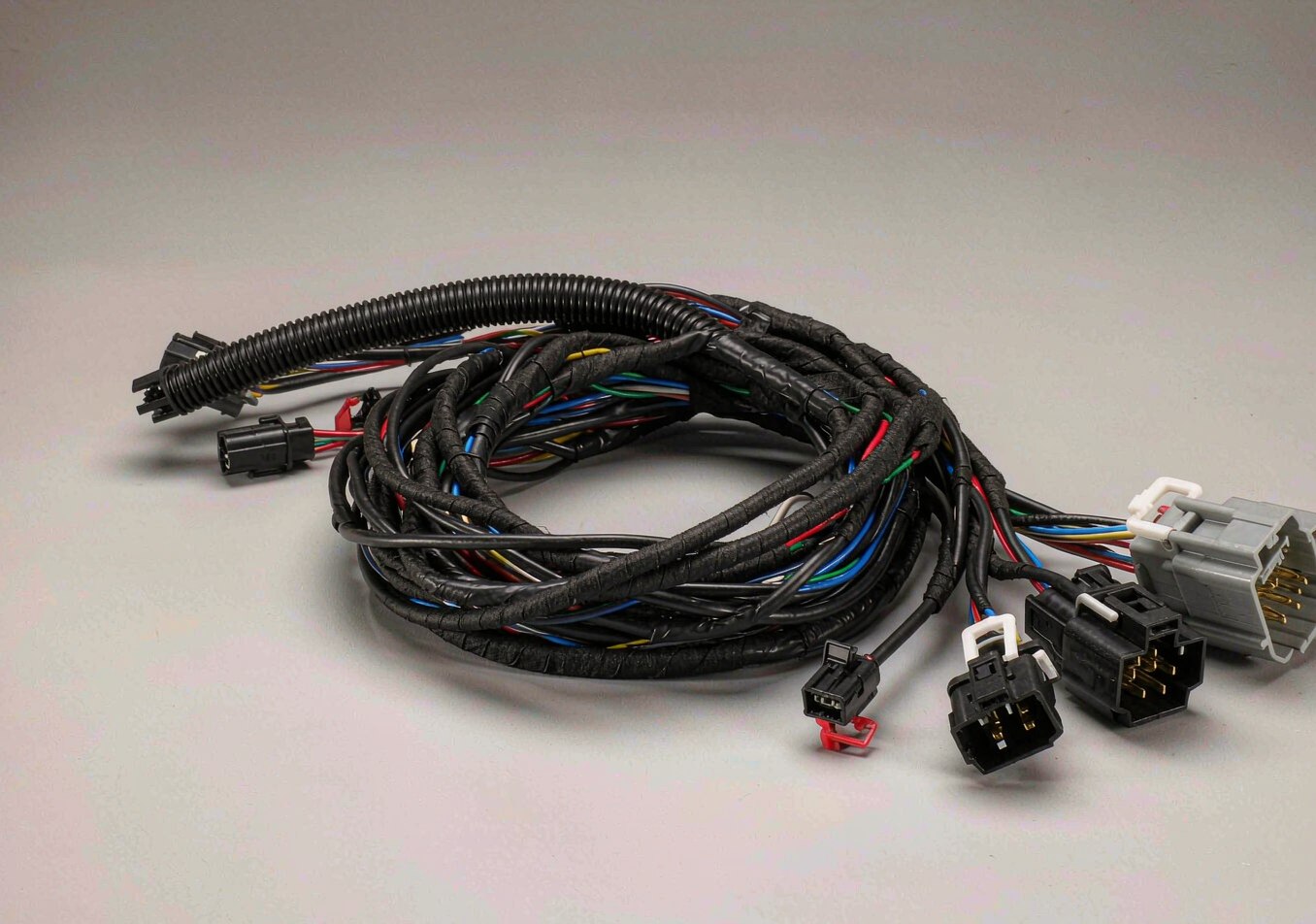
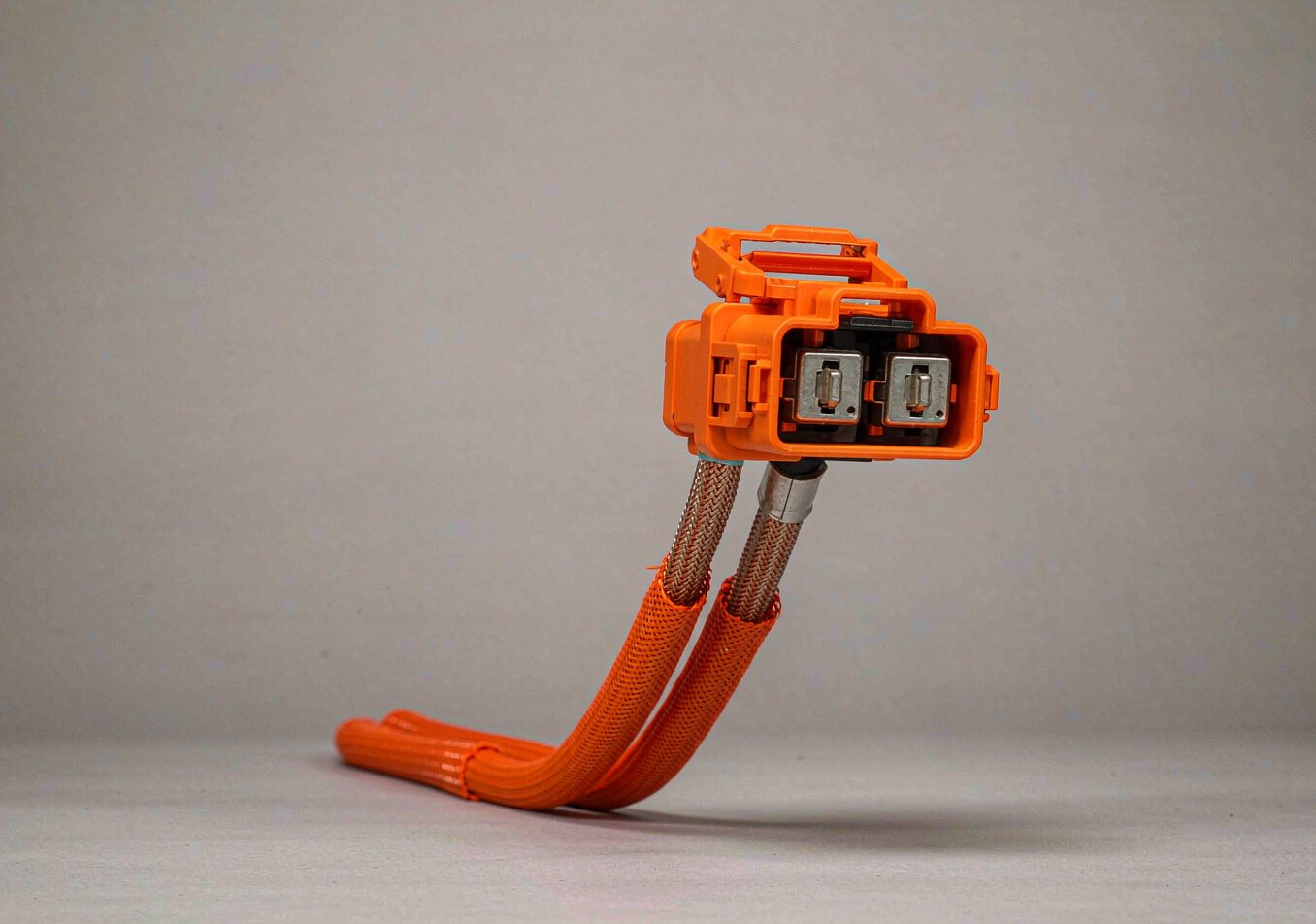
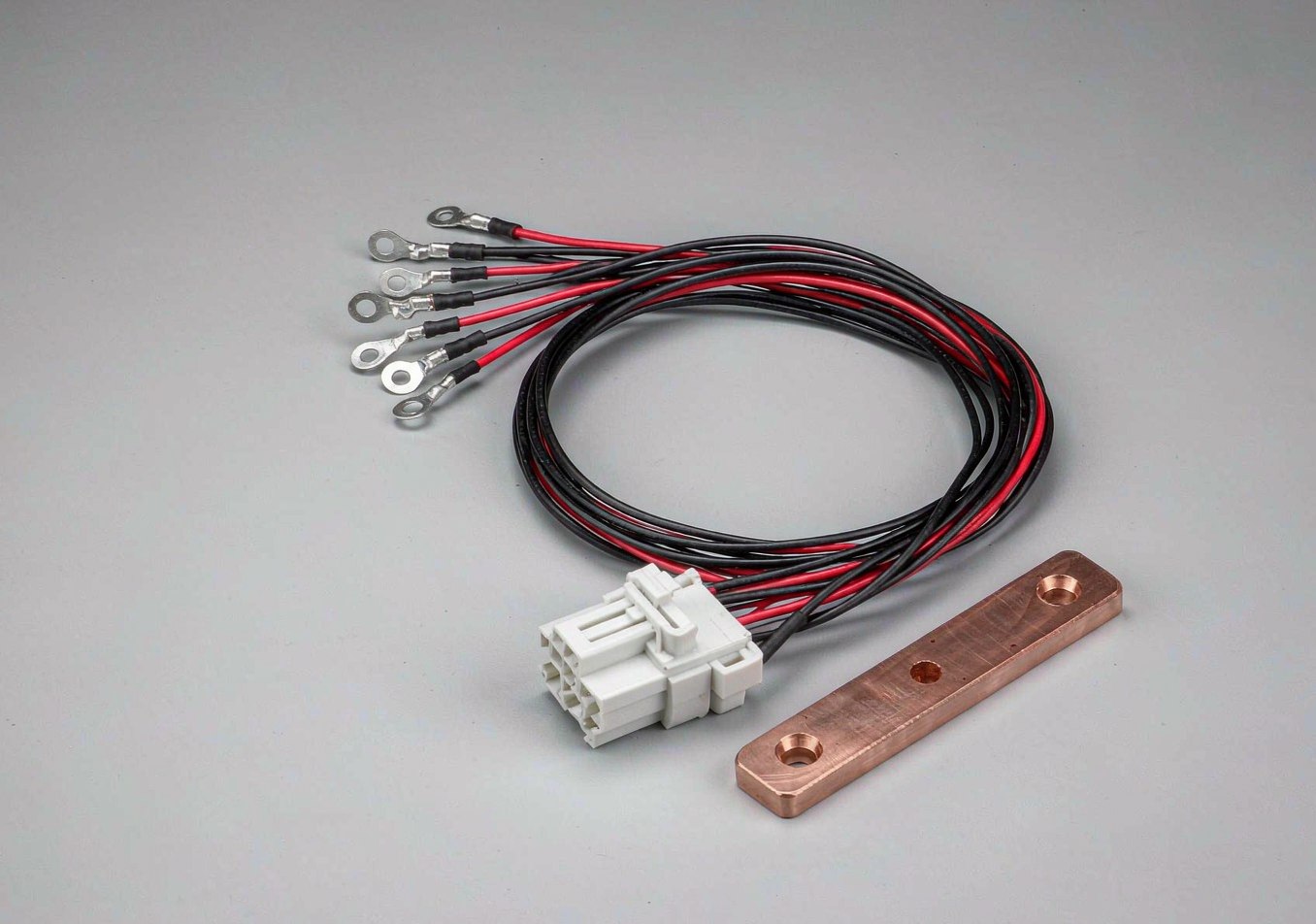
Medical device cable assemblies and patient-adjacent harnesses: halogen-free and low-smoke wire, fine-strand conductors and documented process control.
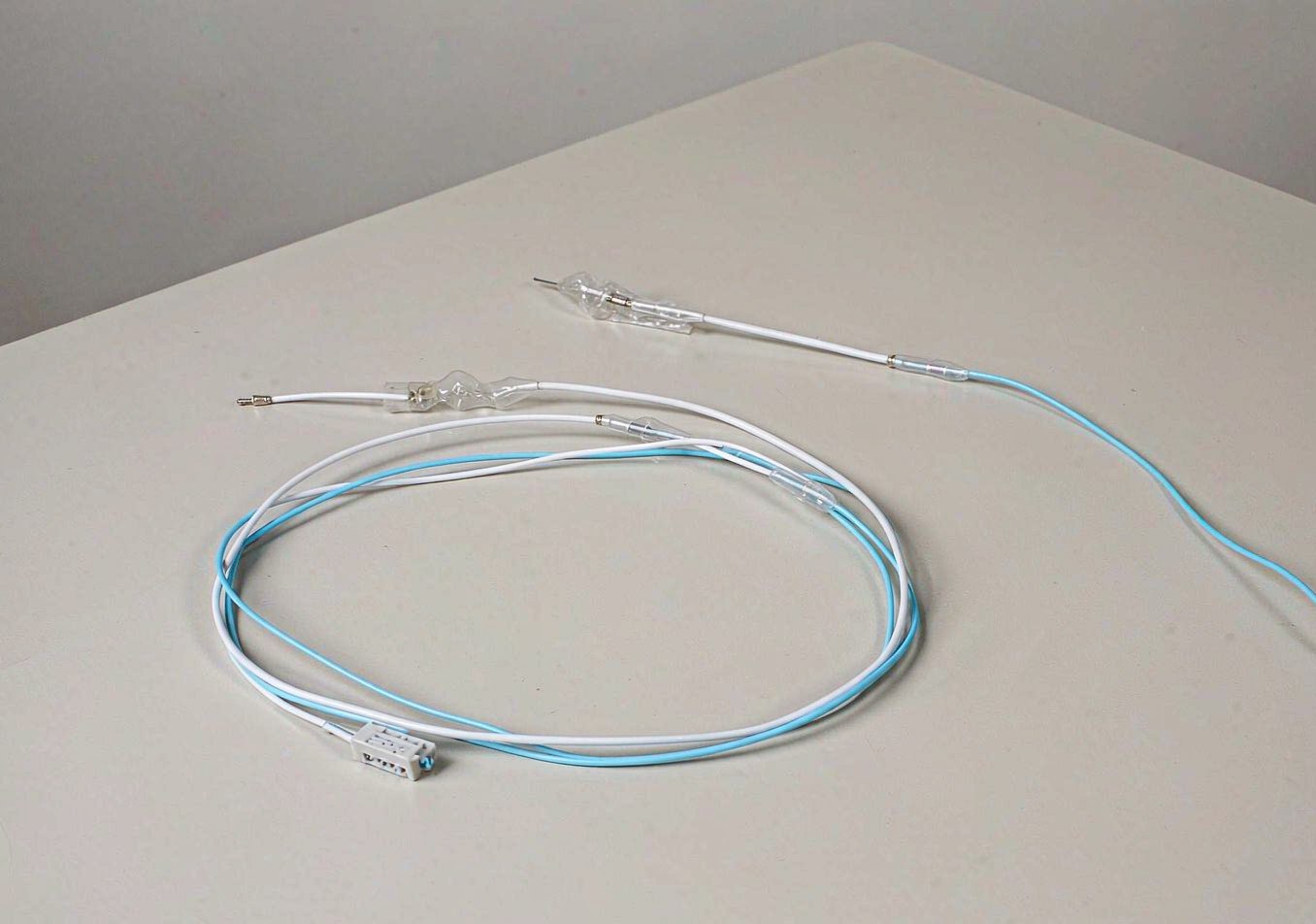
Medical Device Cable Assembly: what we build
Medical assemblies are specified by the environment they have to survive and the paperwork they have to carry. A cable that sits against a patient and is wiped down twice a shift has different requirements from one that runs inside a diagnostic cabinet, and the wire selection follows from that rather than from a single "medical grade" label.
Inside a device, the usual driver is heat, bend radius or cleaning chemistry. The UL 758 AWM lines in this catalogue cover that spread: SR-PVC and PVC for general internal wiring, halogen-free mPPE where a low-smoke jacket matters, and FEP or ETFE where the temperature or the chemistry rules PVC out.
We supply the finished assembly with the process record for that lot. Where your approval body needs more — a declaration on the wire, a pull-test record, a dimensional report — tell us at quotation stage and it is built into the routing rather than retrofitted afterwards.
How we build it
- Fine-gauge conductors crimped and pull-tested with contact-matched tooling
- Halogen-free and PVC-free jacket options on the mPPE and fluoropolymer lines
- Keyed connectors and moulded strain relief for repeated mating cycles
- Low-voltage signal runs bundled with power in one assembly where required
- Process and inspection records kept against each production lot
- Wire selected on temperature, chemistry and bend radius rather than a generic label
Wire we build this harness on
Every conductor is Xinya wire from this site's own catalogue, so the style inside the harness can be traced to a published data sheet. These are the lines most often specified for this application:
- UL10002 SR-PVC wire, 105 °C
- UL1007 300 V PVC hook-up wire
- UL11027 halogen-free mPPE wire
- UL1671 ETFE wire, 150 °C
- UL1330 FEP wire, 200 °C
- UL1589 low-voltage wire, smallest gauges
If your drawing names a style that is not listed here, ask — the catalogue published on this site is a subset of what the factory runs, and we can quote against a style number as easily as against a description.
How to get a quotation
Send the drawing, the sample, a photograph with a scale in shot, or a table of from-to points. Our reply names the wire style, the connector series, the crimp specification, the sleeving and the test method, so your engineers can approve the part rather than interpret a description. Nothing on this site carries a price: every harness is quoted against the specification you provide.
Request a harness quotation Not sure which wire? Use the wire selector