Marine Wiring Harness | Boat & RV Cable Assembly
Marine, RV and off-road harnesses built with tinned copper, heat-shrink sealed terminals and UV-resistant jacket for damp, vibrating environments.
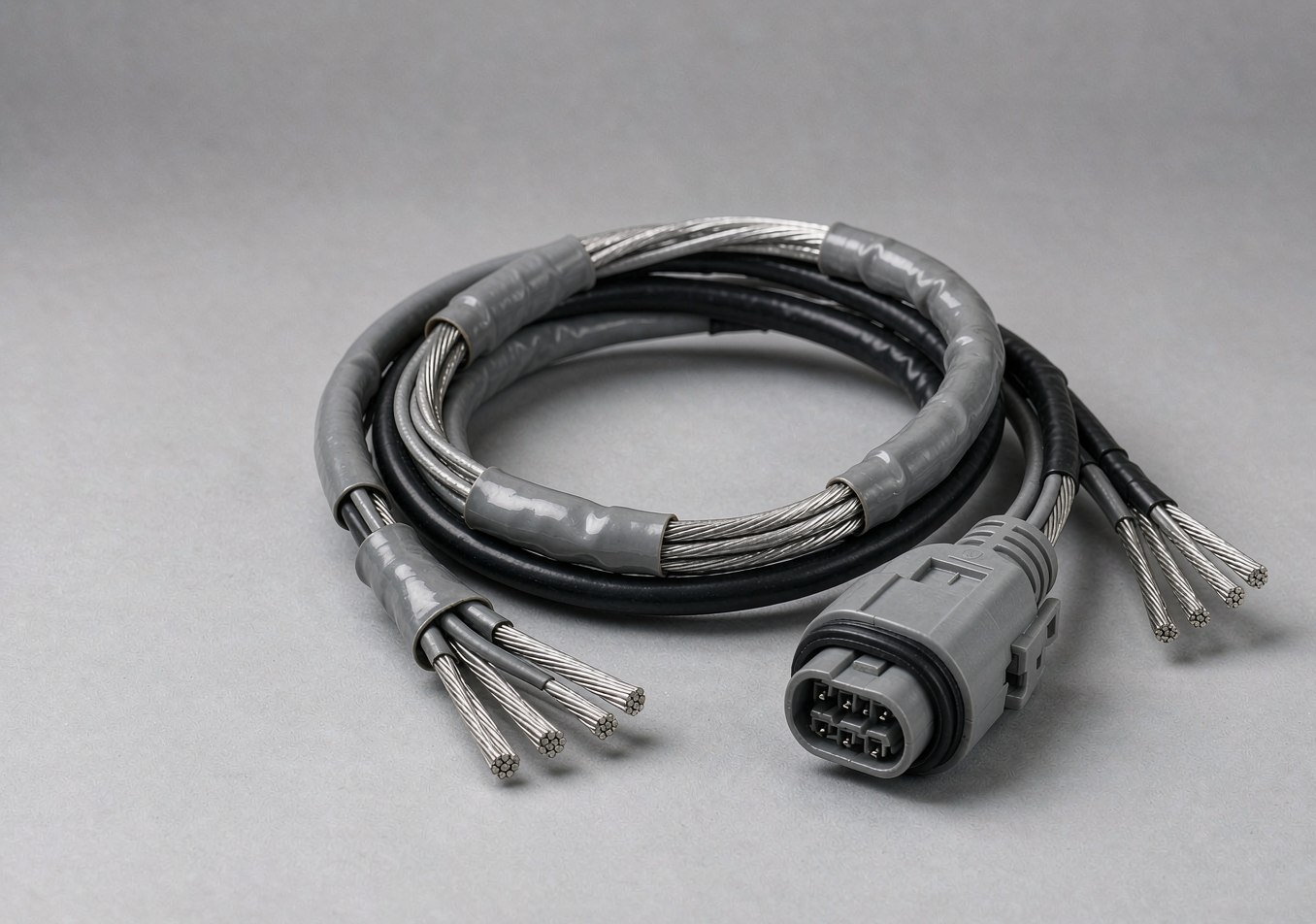
Marine, RV & Off-Road Harness: what we build
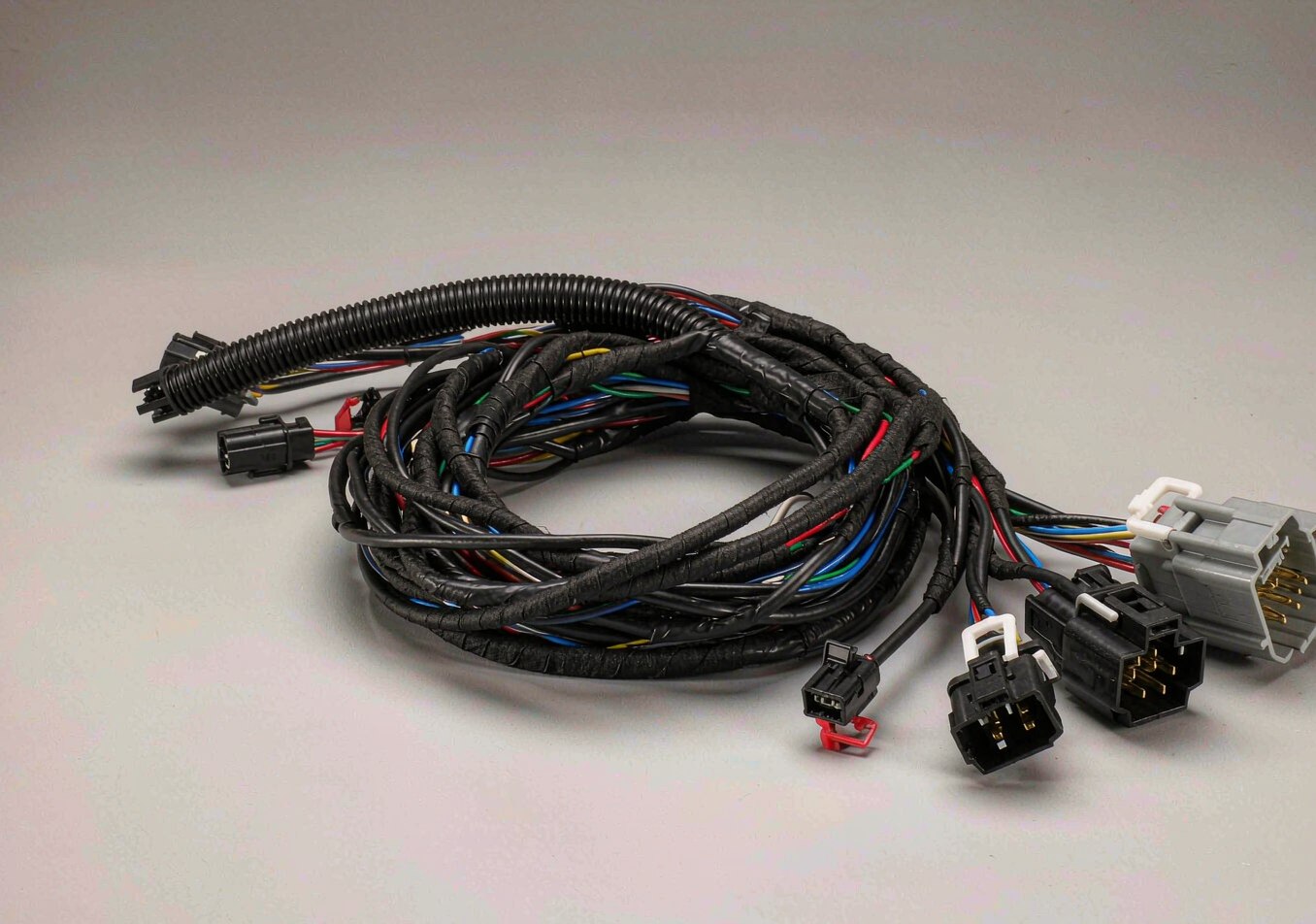
A boat is a persistent vibration problem wrapped in salt water. Bare copper in that environment corrodes at every strand once the jacket is nicked, and a crimp that was fine in the workshop becomes a high-resistance joint after a season of movement. Tinned conductor and sealed terminations are the two decisions that change the outcome.
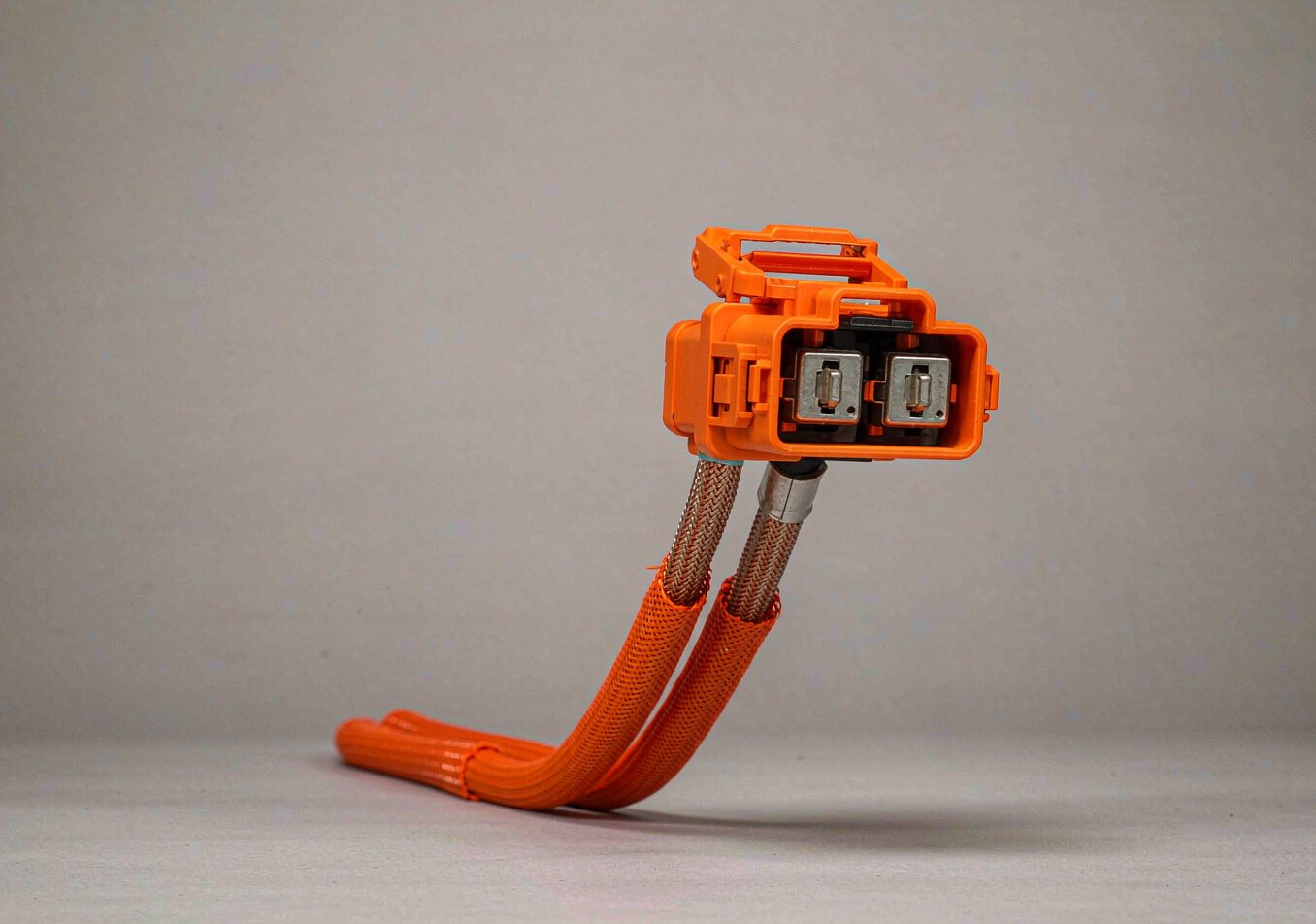
Every lead in the looms we build for these applications uses tinned copper as the default, and every termination gets a heat-shrink sleeve with an adhesive liner that seals the barrel as well as insulating it. Where the joint has to resist pull-out under vibration, a sealed connector system is used rather than a splice.
The catalogue wire lines that suit this duty are the 105 °C PVC styles such as UL1015 and UL1028, and the UL 4703 photovoltaic wire where a UV-stabilised jacket is wanted for a run across a deck or a roof.
How we build it
- Tinned copper conductor as the standard, not an upgrade
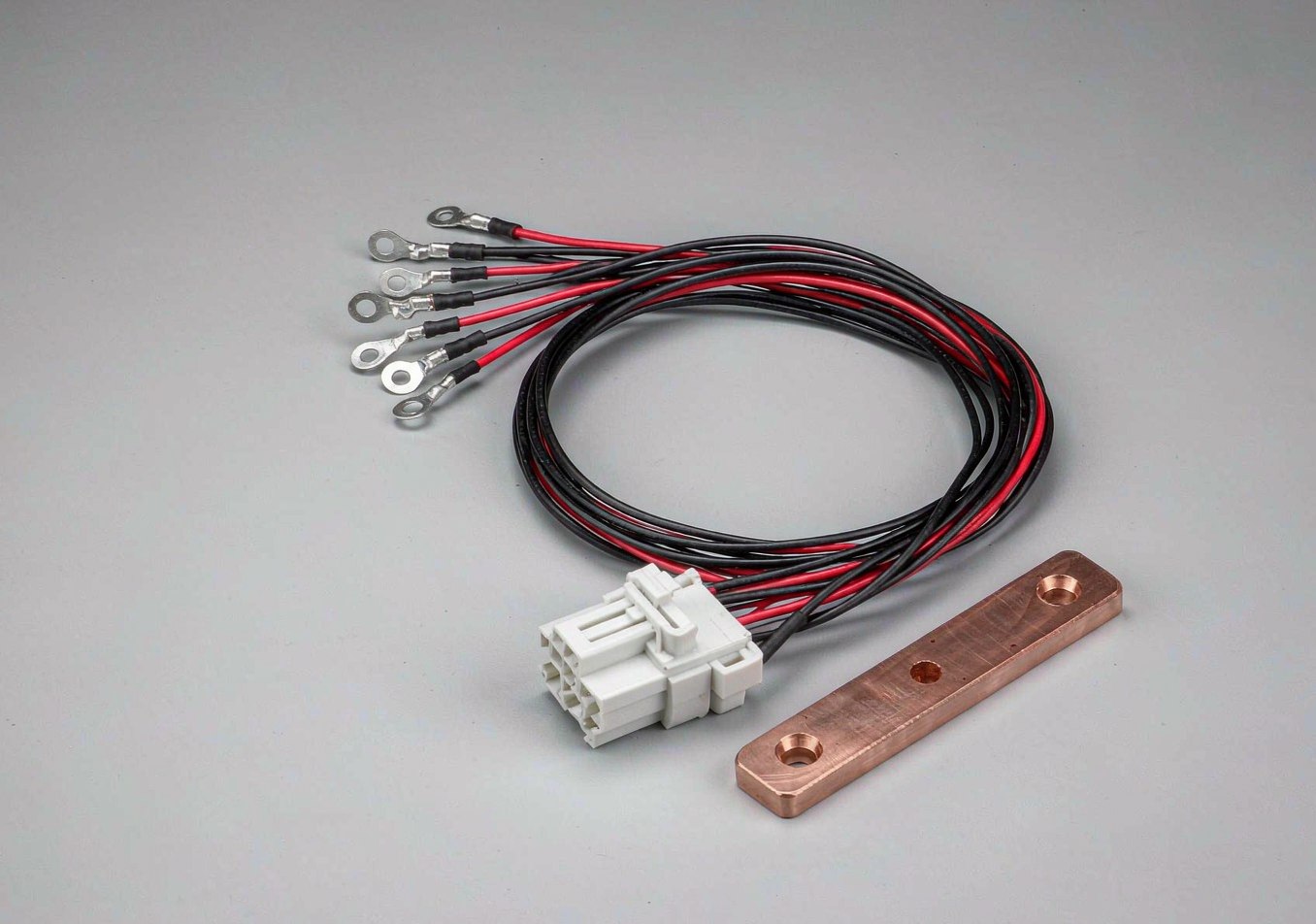
- Heat-shrink sealed ring, butt and butt-splice terminations with adhesive liner
- Sealed connector systems where a splice would be the weak point
- UV-stabilised jacket on exposed deck, roof and rack runs
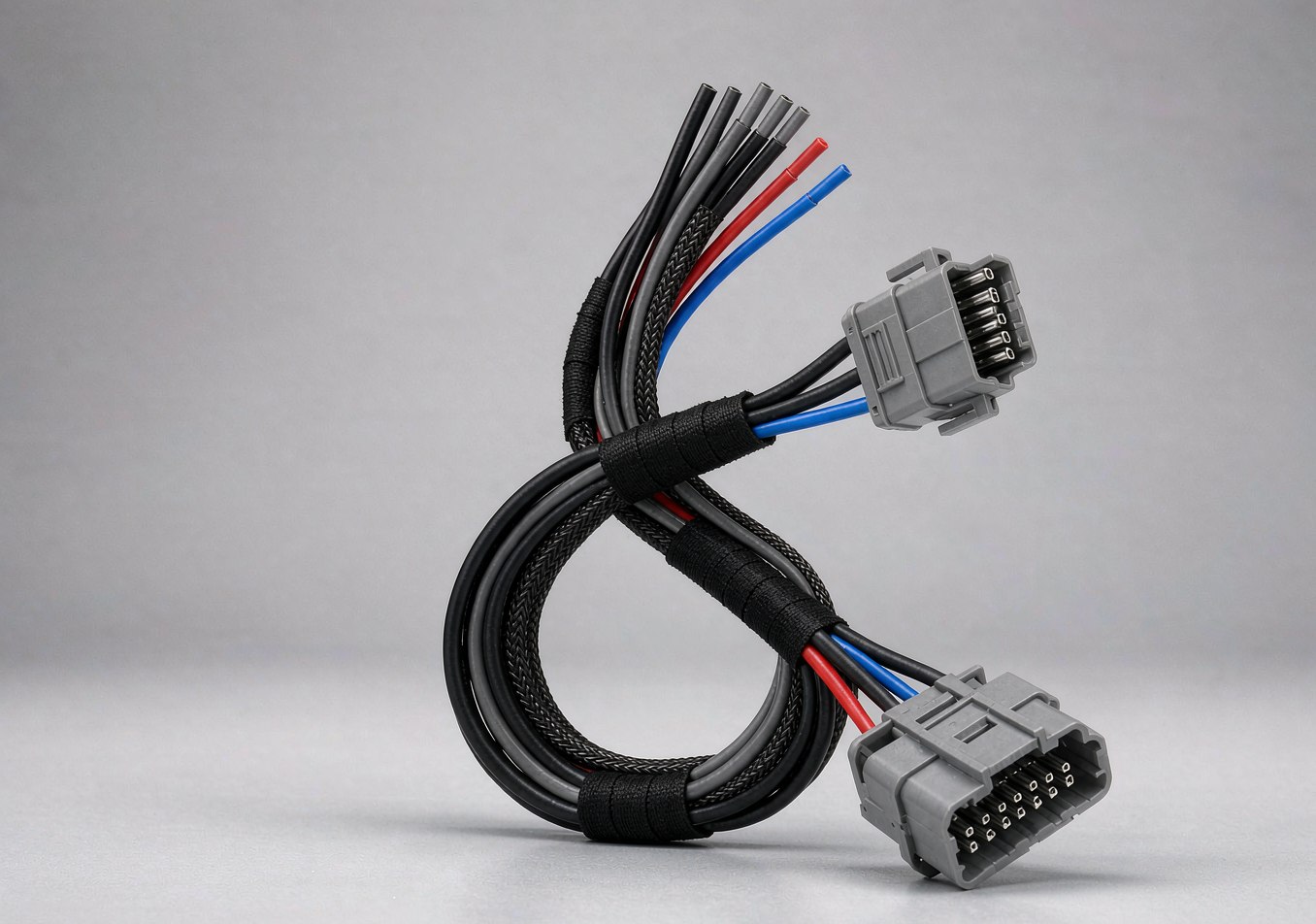
- Chafe guard and conduit at every through-bulkhead or frame crossing
- Separate bilge, helm and house looms wired and tested independently
Wire we build this harness on
Every conductor is Xinya wire from this site's own catalogue, so the style inside the harness can be traced to a published data sheet. These are the lines most often specified for this application:
- UL1015 600 V 105 °C PVC hook-up wire
- UL1028 600 V PVC hook-up wire to 8 AWG
- UL4703 photovoltaic DC wire, UV-stabilised
- UL1095 300 V PVC hook-up wire
- UL2464 shielded multi-conductor cable for navigation signals
- VCT flexible multicore cord, 600 V
If your drawing names a style that is not listed here, ask — the catalogue published on this site is a subset of what the factory runs, and we can quote against a style number as easily as against a description.
How to get a quotation
Send the drawing, the sample, a photograph with a scale in shot, or a table of from-to points. Our reply names the wire style, the connector series, the crimp specification, the sleeving and the test method, so your engineers can approve the part rather than interpret a description. Nothing on this site carries a price: every harness is quoted against the specification you provide.
Request a harness quotation Not sure which wire? Use the wire selector